

As a dedicated supplier of kids' socks, I've witnessed firsthand the challenges parents face in keeping their little ones' socks in good condition. Kids are constantly on the move, and their socks endure a lot of wear and tear. In this blog, I'll share some practical tips on how to make kids' socks last longer, ensuring that you get the most out of your investment.
Choose High - Quality Socks
The first step in making kids' socks last longer is to choose high - quality products. At our supply, we offer a wide range of top - notch options, such as Kids Crystal Sheer Socks, Kids Christmas Socks, and Fashion Soft Cute Breathable Cotton Crew Kid Socks.
High - quality socks are made from better materials. For example, cotton is a popular choice as it is soft, breathable, and durable. Socks with a higher percentage of cotton tend to hold up better over time. Additionally, look for socks with reinforced toes and heels. These areas are prone to the most friction and wear, so having extra reinforcement can significantly extend the life of the socks.

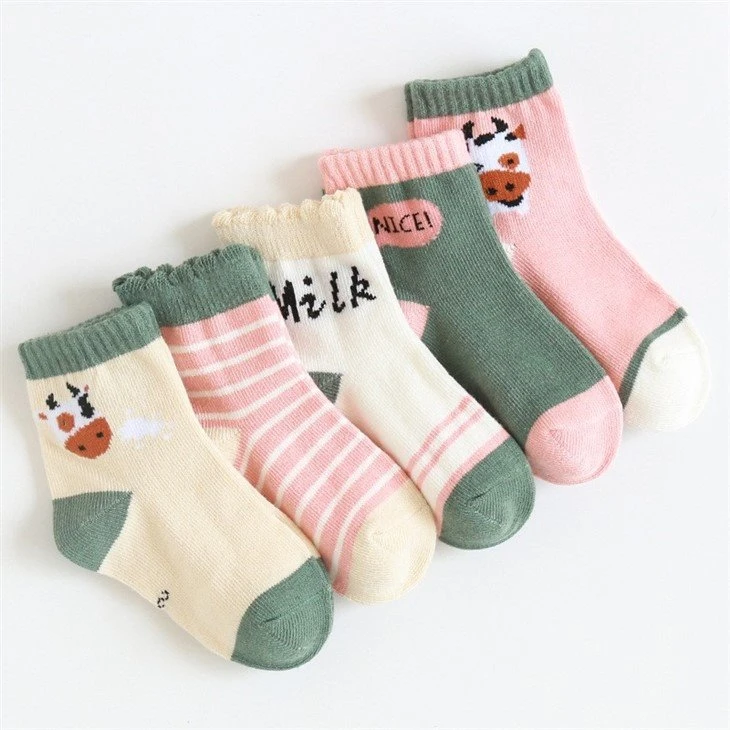
When selecting socks, also pay attention to the stitching. Well - made socks have tight, even stitching that won't come apart easily. Avoid socks with loose threads or uneven seams, as these are likely to develop holes or start to unravel quickly.
Proper Sizing
Ensuring that the socks fit your child properly is crucial. Socks that are too tight can restrict blood circulation and cause discomfort, and they are also more likely to wear out faster due to the extra stress on the fabric. On the other hand, socks that are too loose can bunch up inside the shoes, leading to friction and abrasion.
To find the right size, measure your child's foot length accurately. Most sock manufacturers provide size charts that correlate foot length with the appropriate sock size. If your child's foot is in between sizes, it's usually better to go for the larger size, especially if the socks have some stretch.
Pre - Wash Treatment
Before your kids start wearing a new pair of socks, it's a good idea to give them a pre - wash treatment. Fill a basin with lukewarm water and add a small amount of mild detergent. Soak the socks for about 15 - 20 minutes. This helps to remove any chemicals or dyes that may be present on the new socks.
After soaking, gently squeeze out the excess water without wringing the socks. Wringing can damage the fibers and cause the socks to lose their shape. Then, rinse the socks thoroughly under running water until the water runs clear. Let the socks air - dry flat. This pre - wash process can help to set the colors and make the socks more comfortable for your child to wear.
Wash Socks Correctly
Proper washing is one of the most important factors in making kids' socks last longer. First, always read the care instructions on the sock label. Different materials may require different washing methods.
In general, it's best to wash kids' socks in cold or lukewarm water. Hot water can shrink the socks and damage the fibers, especially if they are made of synthetic materials or a blend. Use a mild detergent that is gentle on fabrics. Harsh detergents can break down the fibers and cause the socks to lose their elasticity and color.
Turn the socks inside out before washing. This helps to protect the outer surface of the socks from friction against other items in the washing machine. It also exposes the inside of the socks, where most of the dirt and sweat accumulate, to the detergent.
Wash socks separately or with similar items. Avoid washing them with heavy items like jeans or towels, as these can cause excessive friction and damage the socks. If you have a lot of socks to wash, don't overcrowd the washing machine. Overcrowding can prevent the socks from getting clean and can also cause them to rub against each other too much.
Drying the Socks
When it comes to drying, air - drying is the best option for kids' socks. Hang the socks on a clothesline or lay them flat on a drying rack. Air - drying helps to preserve the shape and elasticity of the socks. It also reduces the risk of shrinkage and damage that can occur in a dryer.
If you need to use a dryer, use a low - heat setting. High heat can shrink the socks, damage the fibers, and cause the elastic to lose its stretch. Remove the socks from the dryer as soon as the cycle is finished to prevent over - drying.
Storage
Proper storage is often overlooked but can have a big impact on the lifespan of kids' socks. When not in use, store the socks in a clean, dry place. Avoid storing them in damp areas, as moisture can lead to mold and mildew growth, which can damage the socks.
Fold the socks neatly and store them in a drawer or a sock organizer. This helps to keep them organized and prevents them from getting tangled or stretched out. If you have a lot of socks, you can group them by color or style to make it easier to find a matching pair.
Rotate Socks
Don't let your kids wear the same pair of socks every day. Rotating between different pairs of socks gives each pair a chance to rest and recover. This can help to prevent excessive wear and tear on any one pair.
If possible, have at least 3 - 4 pairs of socks for your child to rotate through. This way, the socks have time to air out and the fibers can regain their shape and elasticity between wears.
Repair Minor Damage
As soon as you notice a small hole or a loose thread in a pair of socks, don't ignore it. Minor damage can quickly turn into a big problem if left untreated. You can easily repair small holes with a needle and thread. Simply sew a few stitches around the hole to prevent it from getting bigger.
If the elastic in the sock has started to lose its stretch, you can try using a rubber band to replace it. Cut out the old elastic and sew a new rubber band in its place. This can give the socks a new lease on life.
Teach Kids Good Sock - Wearing Habits
Finally, teaching your kids good sock - wearing habits can go a long way in making their socks last longer. Encourage them to take off their shoes and socks properly. For example, instead of pulling the socks off by the toe, teach them to grasp the top of the sock and gently roll it down.
Also, remind them not to walk around barefoot on rough surfaces. This can cause dirt and debris to get stuck on their feet, which can then be transferred to the socks and cause more wear and tear.
In conclusion, by following these tips, you can significantly extend the lifespan of your kids' socks. As a supplier of kids' socks, I'm committed to providing high - quality products, and I hope these suggestions will help you get the most out of your purchases.
If you're interested in purchasing our kids' socks in bulk for your retail store or other business needs, we'd love to have a discussion with you. Feel free to reach out to us for more information and to start the procurement negotiation process.
References
- Textile Institute. "Best Practices for Sock Care and Maintenance." Journal of Textile Science, 2020.
- Consumer Reports. "How to Make Your Clothing Last Longer." Consumer Reports Magazine, 2021.